Using Salt as Fertilizer: A Hidden Agricultural Secret or a Dangerous Myth?
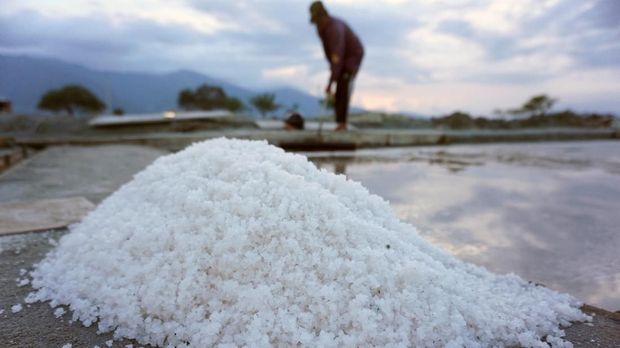 |
| source cnnindonesia.com |
In the world of agriculture, the idea of applying salt to soil often sparks a heated debate. While high salinity is known to destroy crops, ancient farming wisdom and modern organic practices suggest that salt—in the right form and dosage—can be a powerful growth booster. If you are looking for rare but effective farming hacks, understanding the dual nature of salt is essential.
The Science: Is Salt Actually a Nutrient?
Common table salt (Sodium Chloride) is not a primary fertilizer like NPK. However, unrefined sea salt contains over 90 trace minerals, including magnesium, calcium, and potassium, which are vital for plant health.
Sodium (Na): In trace amounts, it can help plants manage water movement and carbon dioxide intake.
Chlorine (Cl): Essential for photosynthesis and helps plants maintain turgor pressure (keeping them upright).
Global Agricultural Traditions Using Salt
To make this practice more effective, we can look at how different cultures have used salt for centuries:
1. The Coconut Secret (Southeast Asia & Pacific)
In the Philippines and Indonesia, salt is a staple for coconut farmers. Research shows that applying 1.5kg to 2kg of salt per tree annually can significantly increase nut weight and copra yield. The chlorine in salt helps the tree tolerate drought and increases its resistance to diseases.
2. The "Celtic Sea Salt" Trend (Modern Organic Gardening)
In Europe and North America, many organic gardeners use diluted sea salt (like Celtic or Himalayan salt) as a foliar spray. They believe it improves the flavor of vegetables, particularly tomatoes and brassicas, by increasing the mineral content of the fruit.
3. Coastal Farming (Historical Europe)
Ancient farmers near the Atlantic coast used seaweed as mulch. Seaweed is naturally salty and rich in minerals. This practice created some of the most fertile "sandy loams" in coastal Europe, proving that controlled mineral salt input creates robust plants.

The Golden Rule: How to Apply Salt Safely
To avoid "burning" your soil or creating a toxic environment, follow these steps:
Never Use Dry Table Salt: Always dissolve salt in water first. A safe ratio is usually 1 tablespoon of sea salt per 5 liters of water.
Test the Soil: Salt should only be added to soils that are naturally low in minerals. If you live near the coast, your soil likely already has enough salt.
Target Specific Plants: Focus on salt-tolerant species (halophytes) like coconuts, beets, Swiss chard, and asparagus.
Conclusion
Salt is like a double-edged sword. Used correctly, it provides rare trace minerals that modern synthetic fertilizers often lack. Used incorrectly, it can lead to soil sodicity and plant death.
What do you think? Have you ever tried using sea salt in your garden, or are you worried about the long-term impact on soil health? Share your experiences in the comments below!
Join the conversation